
A Victoria trip looks simple on paper: drive to Tsawwassen, board the ferry, land at Swartz Bay, and continue south into the city. In practice, though, the day goes a lot more smoothly when you understand how the driving and ferry pieces fit together. A small amount of planning helps you avoid long waits, awkward timing, last-minute terminal stress, and confusion around what kind of vehicle makes the trip easiest.
This guide is built for travelers starting from Vancouver Downtown or Vancouver Airport (YVR) and heading to Victoria with a rental car. Whether you are doing a one-night getaway, starting a longer Vancouver Island loop, or just want the easiest way to explore beyond downtown Victoria, this post walks you through the route, ferry timing, packing, parking, and vehicle choices that make the trip feel simple.
Why Drive to Victoria Instead of Flying or Walking On
For many visitors, bringing a vehicle to Vancouver Island makes the whole trip easier. It gives you flexibility for hotels outside the immediate core, allows you to visit neighborhoods and parks at your own pace, and opens up the option to continue to beaches, wineries, small towns, and regional attractions without depending on taxis or transit.
Driving is especially useful if you are:
- Traveling with children, strollers, or a lot of luggage
- Planning a 2–5 day Vancouver Island loop
- Staying outside the Inner Harbour core
- Combining Victoria with places like Cowichan, Parksville, or Tofino later in the trip
- Arriving at YVR and wanting a direct onward road trip rather than an extra urban transfer
For shorter city-only stays, a compact vehicle may be enough. For families or travelers doing a larger Island road trip, an SUV can make the journey more comfortable.
Where the Trip Starts: Downtown Vancouver vs YVR
Both starting points work well, but they shape the day differently.
Starting from Downtown Vancouver
If you are already in the city, leaving from Vancouver Downtown makes the most sense. You can avoid airport backtracking and head south directly toward Highway 99. This is the best option for travelers staying in downtown hotels, cruise passengers extending their visit, or anyone beginning the trip after a few days in Vancouver.
Starting from YVR
If you are landing and heading for the ferry the same day, Vancouver Airport (YVR) is often the cleanest logistics play. It reduces transfers and gets you closer to the southbound route faster. If you time it right, you can go from runway arrival to ferry check-in without ever going through the downtown core.
Driving to Tsawwassen Ferry Terminal
The route is generally straightforward.
From Downtown Vancouver, a common approach is: Downtown → Granville or Oak corridor → Highway 99 South → Highway 17 West → Tsawwassen Ferry Terminal
From YVR, it is usually: Airport / Richmond → Highway 99 South → Highway 17 West → Tsawwassen Ferry Terminal
Travel time varies by traffic, but from downtown you should usually expect around 45–60 minutes, and from YVR around 30–45 minutes. Give yourself more buffer if you are traveling on a Friday, long weekend, holiday period, or summer peak.
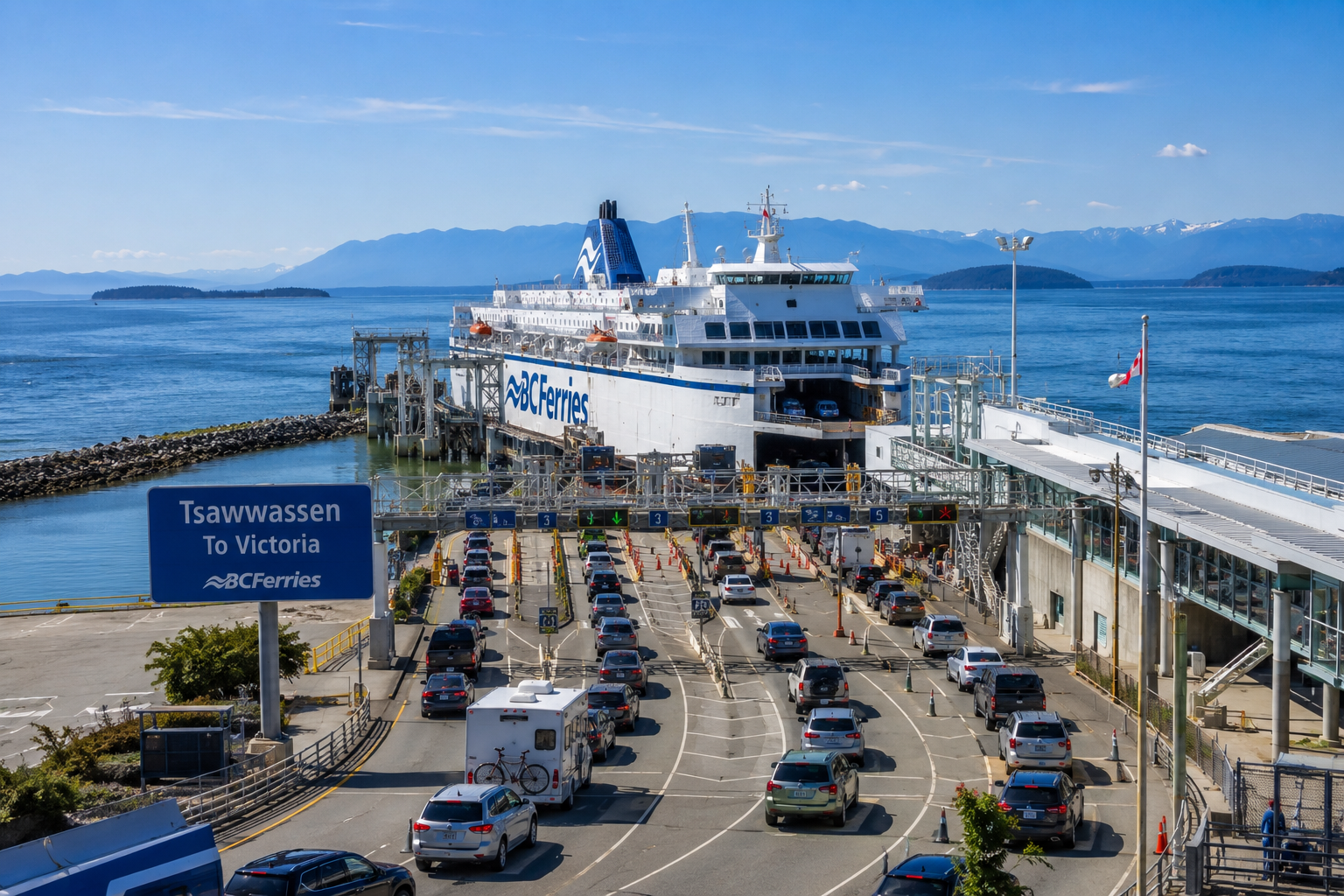
Ferry Reservations: Why They Matter
If there is one piece of advice that saves the most stress, it is this: reserve your sailing if your schedule matters.
You can sometimes board without a reservation, but peak sailings fill quickly. That is especially true during:
- Summer weekends
- Holiday periods
- Long weekends
- School breaks
- Popular mid-morning and early afternoon sailings
If you are meeting a hotel check-in window, trying to arrive in Victoria before dinner, or traveling with kids who do not love uncertainty, reservations are worth it.
How Early Should You Arrive?
This depends on whether you have a reservation and how busy the sailing period is. In general, you want enough time for:
- Navigating terminal approach traffic
- Checking in and following lane instructions
- Organizing passengers, snacks, washroom breaks, and valuables before boarding
When in doubt, build more margin rather than less. Ferry stress is almost always a timing problem.
The Ferry Crossing Itself
The Tsawwassen to Swartz Bay crossing is part transport, part scenic experience. If the weather is good, head outside for views. The crossing can be one of the most memorable parts of the trip, especially for visitors who have not done a BC ferry before.
A few simple ferry-trip ideas:
- Have a relaxed lunch or snack on board
- Use the sailing time to plan your Victoria parking and check-in strategy
- Sit outside for part of the trip if weather allows
- Use the time to reset after airport arrival or city traffic
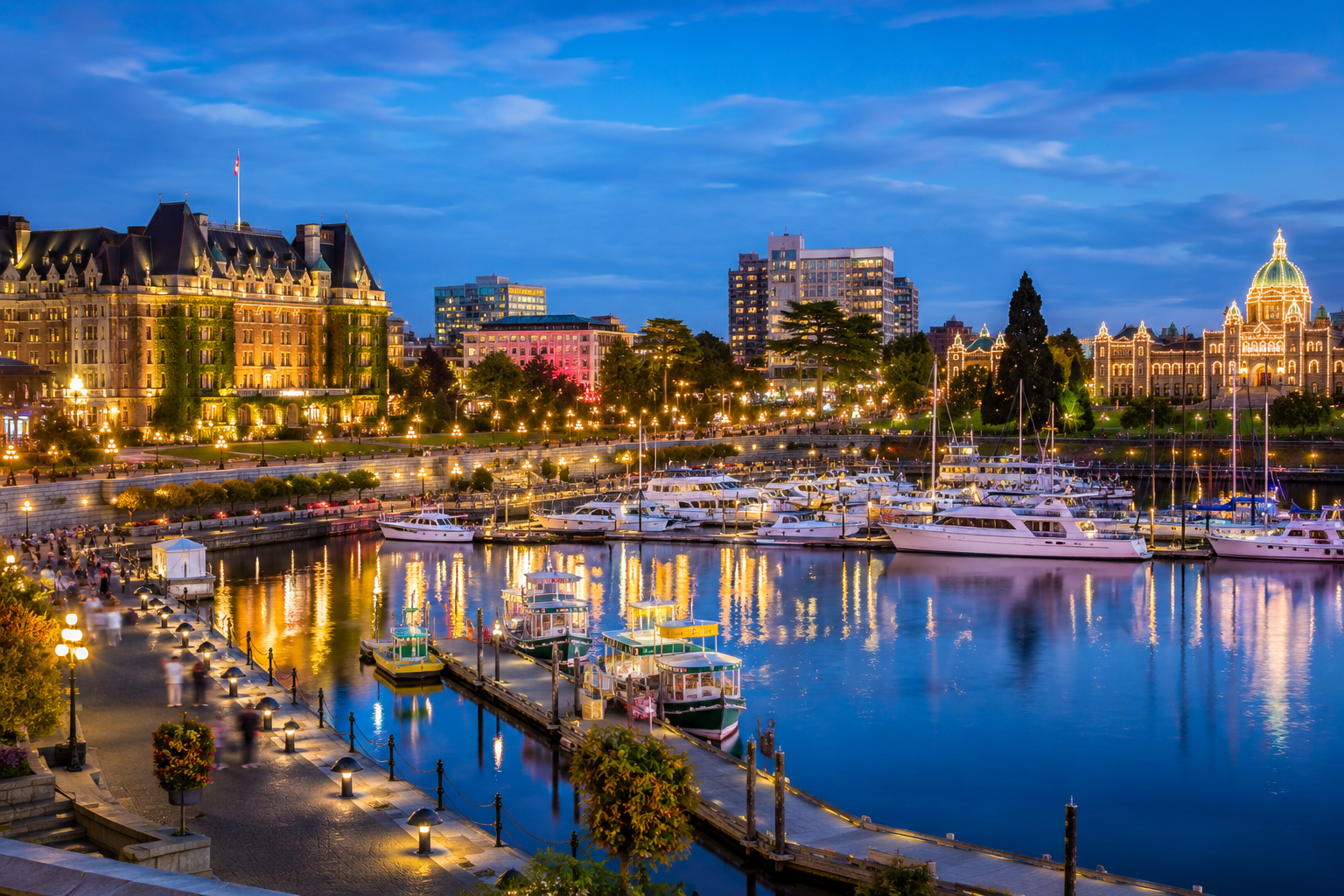
What Kind of Vehicle Works Best for this trip?
Different Victoria itineraries call for different cars.
- Economy / compact
Excellent for couples, lighter packing, city-focused stays, and easier parking in Victoria. These are also convenient on the ferry because the trip feels simple and maneuverable. - Midsize / standard
A good balance if you want more room but still expect a mostly urban Victoria stay. - SUV
Ideal if you are continuing beyond Victoria, packing more gear, traveling with family, or want more comfort for a 3–5 day Island trip. - Passenger van / minivan
Best for larger family groups, sports travel, or multi-day touring with lots of bags.
From Swartz Bay to Victoria
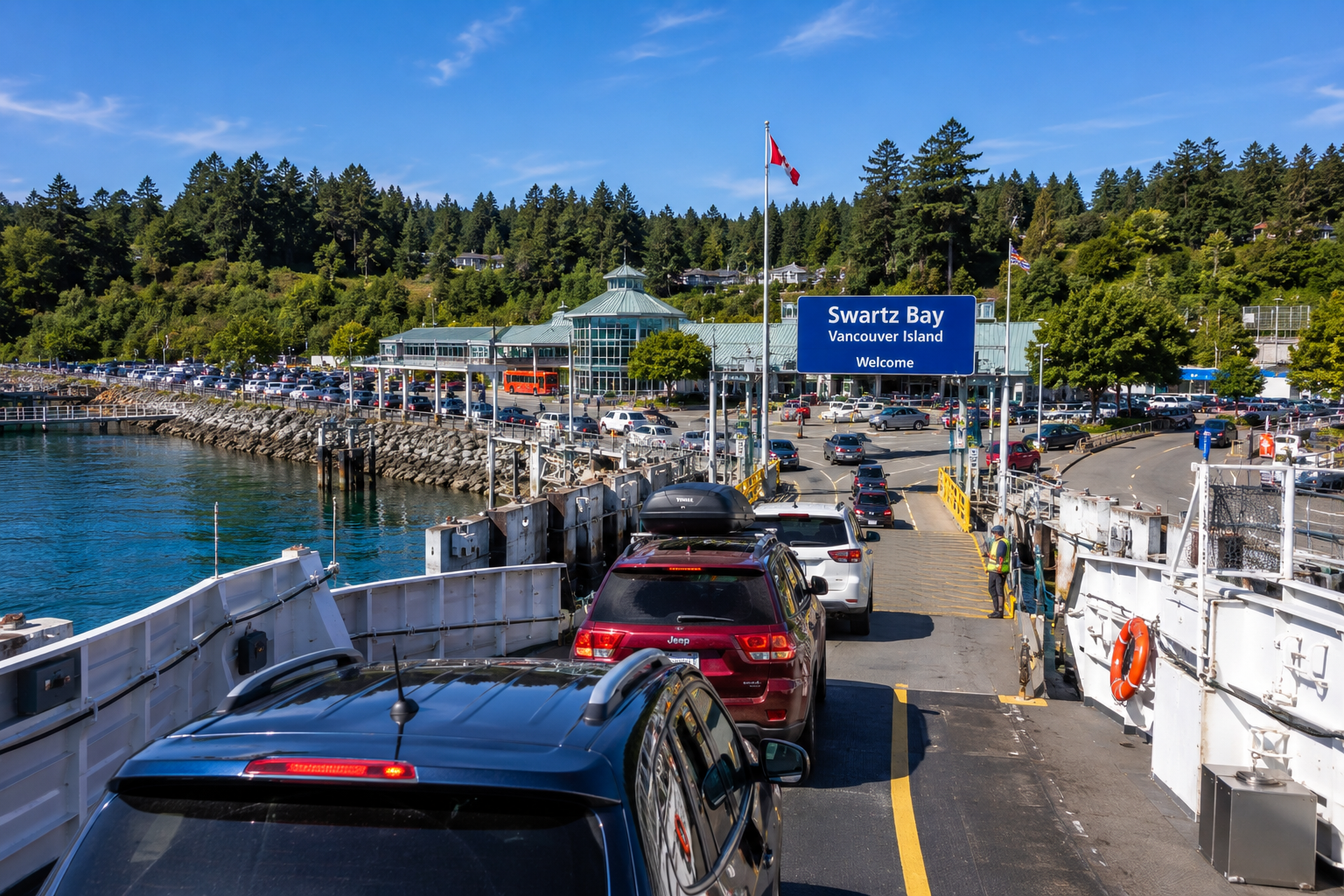
Once you arrive on Vancouver Island, the drive from Swartz Bay into Victoria is usually around 30–40 minutes, depending on traffic and where you are staying.
This section of the trip is generally easy. Follow the main southbound route toward the city and use GPS for your exact neighborhood or hotel. If your accommodation is in the Inner Harbour, James Bay, or downtown core, be especially aware of parking instructions before arrival.
How Long Should You Stay in Victoria?
One-night getaway: Good if you mainly want the harbor, dinner, and a light city experience.
Two-night stay: Ideal for a more relaxed pace with time for Butchart Gardens, Beacon Hill, or a scenic drive.
3–5 day Island trip: Best if Victoria is just the beginning and you plan to continue north or west.
Must see: Inner Harbour / downtown core, James Bay, Beacon Hill / nearby tourist areas, Chinatown / central downtown.
Driving from Vancouver to Victoria is one of the best coastal travel combinations in BC because it blends a manageable road segment, a scenic ferry crossing, and a very walkable destination at the end. With the right vehicle, a reserved sailing, and a clear parking plan, it becomes an easy and memorable part of your West Coast trip.
Choosing the Best Rental Vehicle for Vancouver to Whistler
Different trips call for different vehicles.
Economy or compact
Best for solo travelers or couples with light luggage in good weather. Easier parking and lower fuel use.
Intermediate or full-size
A good middle ground if you want more comfort without moving fully into SUV territory.
SUV
The best all-around option for mountain travel, winter conditions, family luggage, or outdoor gear.
Passenger van or minivan
Ideal for larger groups, ski trips, and family travel where comfort and cargo space matter.
You can compare options on our core fleet pages:
Frequently Asked Questions
Final Takeaway
The Sea-to-Sky is more than a route to Whistler. It is one of the best short scenic drives in Western Canada, and with the right vehicle and a loose stop plan, it becomes a highlight of the trip itself. Whether you want a quick airport-to-resort transfer or a more relaxed mountain road trip, a little planning goes a long way.
Start your drive from Vancouver Downtown or Vancouver Airport YVR and choose the right fit for your trip: SUVs, Passenger Vans, or Economy Cars.